Quick answer: Grooming a dog at home comes down to four jobs, and our dog hair cleaning routine covers the shedding side. Brush to suit the coat, trim nails a little at a time, brush teeth with a pet toothpaste, and bath only when needed. Check the eyes, ears, paws and skin as you go. Keep sessions short and calm, and finish with a reward.
Grooming at home is less about a salon finish and more about small, regular habits. A few minutes a couple of times a week keeps loose hair under control and helps you spot anything unusual early.
It also gets your dog or cat used to being handled, which makes visits to the groomer or vet easier too. The routine below works for both.
Key takeaways
- Brush short coats about once a week, and long, thick or double coats several times a week.
- Trim nails a little at a time and avoid the quick. Clicking on a hard floor is a sign they’re due.
- Use a toothpaste made for pets. Some human toothpastes contain xylitol, which is toxic to dogs.
- Bath dogs only when they’re dirty or smelly. Most cats rarely need a bath.
- Leave tight or widespread mats to a professional groomer or your vet.
New UK dog guides by email
We send new UK guides about twice a month.
How often should you groom a dog or cat at home?
Most pets need a brush at least once a week, with nails, teeth and a quick health check fitted into the same routine.
| Task | How often | Tools |
|---|---|---|
| Brushing a short coat | About once a week | Grooming glove or slicker brush |
| Brushing a long, thick or double coat | Several times a week, more when moulting | Slicker brush and dematting comb |
| Nails | When you hear clicking on a hard floor | Nail clippers with a safety guard, or a nail scratch board |
| Teeth | As part of the weekly routine | Finger toothbrush and pet toothpaste |
| Bath | Only when dirty or smelly | Dog shampoo, bath brush and towel |
You don’t need a full grooming kit to start. Choose the tools that suit your pet’s coat:
- For loose undercoat and light tangles: our Self-Cleaning Slicker Brush, for short or long coats. It releases the hair at the press of a button.
- For short coats and pets who prefer stroking: our Pet Grooming Glove.
- For tangles: our Dog Dematting Comb.
- For nails: clippers with a safety guard, suitable for dogs and cats.
- For teeth: our Silicone Finger Toothbrush and a toothpaste made for pets.
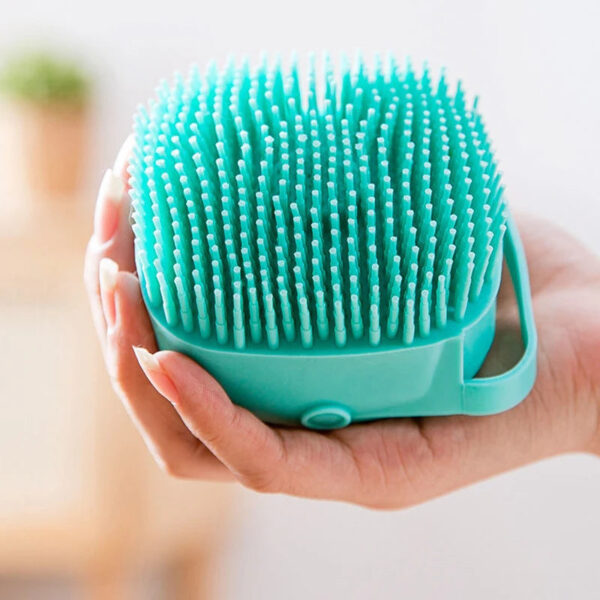
- For bath time: our Silicone Dog Bath Brush and an absorbent towel.
To get the basics in one go, our Home Grooming Kit for Dogs includes nail clippers with a safety guard, round-tip scissors, a dematting comb, a bath brush and a finger toothbrush. Orders are dispatched in 1 to 3 working days, then most arrive in 7 to 15 working days.
How do you brush each type of coat?
Brush gently, in the direction the hair grows, with a tool that suits the coat. The RSPCA’s dog grooming advice explains why regular brushing matters.
How do you brush a short, smooth coat?
Short coats usually need only a weekly once-over. A grooming glove is ideal: it gathers hair as you stroke, and many pets enjoy it. Most short-haired cats groom themselves well, but a gentle weekly brush still helps with loose hair.
How do you brush a long, thick or double coat?
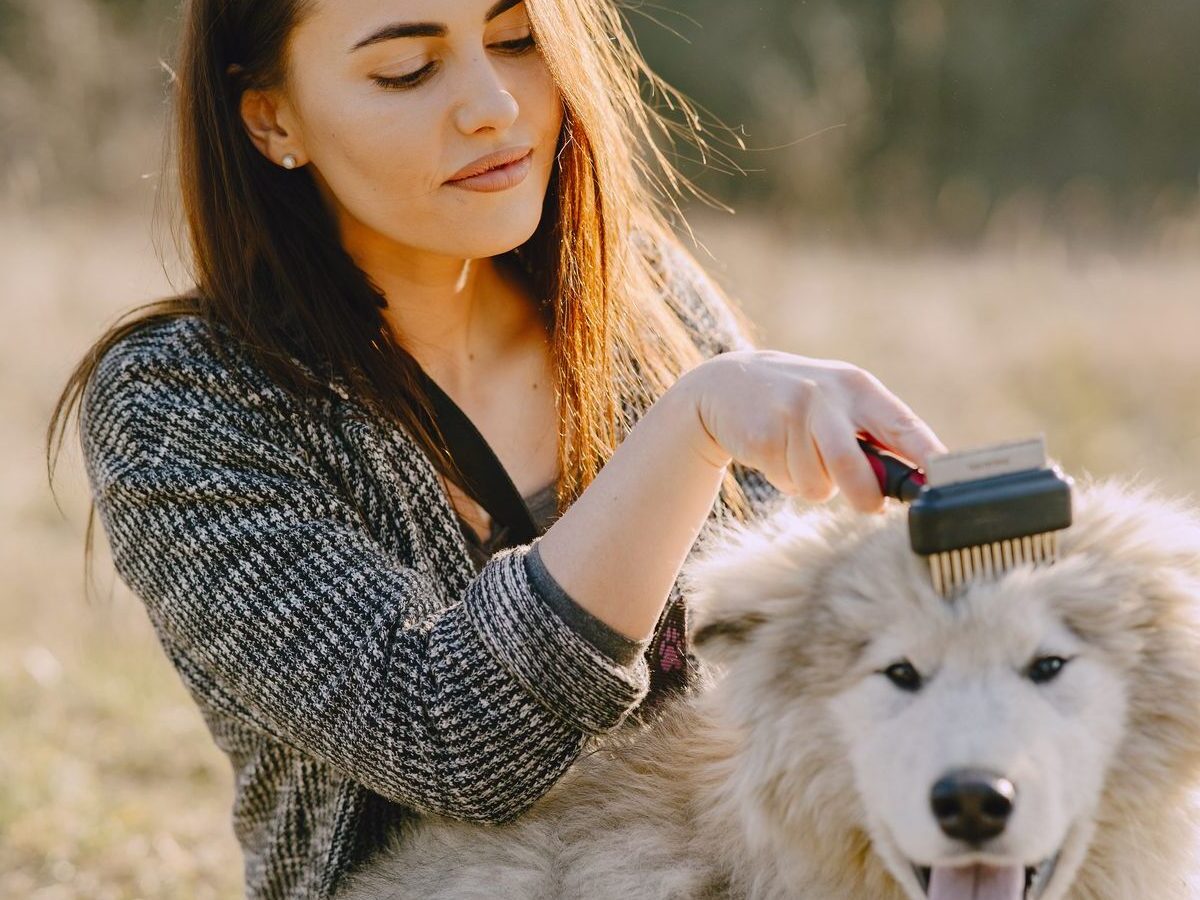
Long and double coats usually need brushing several times a week, and more during heavy moulting. Work through the coat a section at a time with a slicker brush, without pressing hard on the skin. Long-haired cats need help more often too, particularly behind the ears, under the legs and around the tummy. Cats Protection’s cat grooming guide covers long-haired breeds.
What does a weekly grooming routine look like?
It takes your pet from a quick health check to a reward, one step at a time.
- Settle in. Choose a quiet time when your pet is relaxed, such as after a walk or a meal.
- Do a quick check. Look at the eyes, ears, paws, pads and skin. Note any lumps, redness, sore spots or changes since last time.
- Brush. Work through the coat section by section, using the comb on any tangles.
- Tidy. If needed, trim fur around the paws or eyes with round-tip grooming scissors, slowly and only while your pet is settled.
- Nails. Trim a little if they need it (see below).
- Teeth. A short brush with pet toothpaste.
- Reward. Finish with praise or a treat so grooming has a good ending.
If you notice anything unusual during your check, such as a new lump, sore skin, a smell from the ears or persistent scratching, ask your vet.
How do you deal with tangles and mats?
Tease small tangles out gently with a dematting comb, and leave tight mats to a professional. Work from the end of the hair towards the skin, and hold the hair near the base as you go, so you aren’t pulling on the skin.
Don’t cut mats out with scissors close to the skin, as it’s easy to nick it. Tight or widespread matting is a job for a professional groomer or your vet.
How do you trim nails and brush teeth at home?
Take a little at a time, build up slowly over several sessions, and reward calm behaviour.
How do you trim your dog’s nails?
Dogs who walk regularly on pavements often wear their nails down naturally, but others need a regular trim. Clicking on a hard floor is usually a sign they’re due one. Dogs Trust’s guide to trimming dog nails shows the steps.
- Avoid the quick. It’s the pink area inside the nail that contains blood vessels and nerves.
- Go smaller on dark nails. The quick is harder to see, so take even smaller amounts.
- Use the safety guard. It helps you judge how much to take off.
- Split the job. Do one or two paws per session if your dog is unsure, and reward calm behaviour.
For dogs who dislike clippers, our Dog Nail Scratch Board lets them file their own nails with a few strokes of the paw. Introduce it gradually with treats and supervise early sessions. Cats’ claws can be trimmed with the same clippers, taking only the sharp tip. If you’re unsure, ask your groomer or vet to show you how.
How do you brush a pet’s teeth?
Use a finger toothbrush and a toothpaste made for pets. A silicone finger toothbrush slips over your fingertip for gentle, controlled brushing, and suits dogs and cats. Never use human toothpaste, because some contain xylitol, which is toxic to dogs.
Let your pet lick a little pet toothpaste from your finger first. Then brush a few teeth at a time, building up over several days. Dogs Trust’s dental hygiene advice has more. If you notice bad breath, red gums or difficulty eating, ask your vet.
How do you bath a dog without a battle?
Bath your dog only when they’re dirty or smelly, using a shampoo made for dogs, lukewarm water and a non-slip surface.
A silicone bath brush helps work shampoo through the coat and rinses clean quickly. A lick mat stuck to the bath or tiles gives your dog something to focus on while you wash. Use wet food or a pet-safe spread, and never anything containing xylitol.
Afterwards, towel-dry your dog and keep them somewhere warm until they’re fully dry. Most cats rarely need a bath. If your cat seems unable to groom themselves, ask your vet.
Regular brushing means less hair on the sofa, but some always escapes. Our dog hair cleaning routine sets out a full weekly plan for the house.
Frequently asked questions
How often should I groom my dog at home?
Short coats usually need a brush about once a week, while long, thick or double coats need brushing several times a week, and more when moulting. Nails, teeth and a quick check of the eyes, ears, paws and skin can fit into the same weekly session. Your groomer or vet can advise for your dog’s coat.
Can I use human toothpaste on my dog?
No. Always use a toothpaste made for pets, because some human toothpastes contain xylitol, which is toxic to dogs. Start by letting your dog lick a little pet toothpaste from your finger, then brush a few teeth at a time with a finger toothbrush. If you notice red gums or bad breath, ask your vet.
What should I do if I cut the quick?
The nail may bleed. Stay calm, apply gentle pressure with a clean cloth and give your dog a break from trimming. Next time, take even smaller amounts, especially on dark nails, where the quick is harder to see. If the bleeding doesn’t stop, ask your vet straight away.
Do cats need grooming?
Yes, though most short-haired cats manage well on their own and only need a gentle brush now and then. Long-haired cats usually need regular help to prevent tangles and mats, especially behind the ears, under the legs and around the tummy. Claws can be trimmed with the same clippers, taking only the sharp tip.
Should I bath my dog after every muddy walk?
Usually not. Rinse the legs and paws with lukewarm water and towel your dog dry, then brush out dried mud once the coat is dry. Save a full bath for when your dog is properly dirty or smelly, using a shampoo made for dogs, so the coat keeps its natural oils.
When should I use a professional groomer?
Book a groomer for tight or widespread mats, for coats that need clipping or hand-stripping, and if your dog won’t settle for nail trims at home. A groomer can also show you how to handle your dog’s coat between visits. For sore skin, lumps or ear smells, see your vet first.