Quick answer: Start with a restraint, as rule 57 of the Highway Code advises: a seat belt harness, pet carrier, dog cage or dog guard. Then add seat protection, fresh water and a bowl, a towel and a way to clean paws before your dog gets in. Plan breaks on longer trips, and never leave your dog alone in a parked car.
Most dogs spend a fair amount of time in the car, whether it’s the drive to a favourite beach, a weekend away or a muddy Sunday walk twenty minutes up the road. A small, well-packed kit makes those trips safer and keeps the car fit for the people who use it too.
This guide covers the rules, which restraint suits which dog, what to pack and how to handle long drives. If your dog pulls on the way to the car, our no-pull harness guide helps with the walk itself.
Key takeaways
- Rule 57 of the Highway Code says dogs should be suitably restrained in vehicles.
- It names a seat belt harness, pet carrier, dog cage or dog guard. A seat cover or hammock isn’t a restraint.
- Keep dogs out of the front seat, where an airbag could injure them.
- Pack water, a bowl, a towel, poo bags and a spare lead in one bag in the boot.
- Never leave your dog alone in a parked car, even on a day that doesn’t feel warm.
New UK dog guides by email
We send new UK guides about twice a month.
What does the Highway Code say about dogs in cars?
Rule 57 asks drivers to make sure dogs are suitably restrained, so they can’t distract you or injure you, or themselves, if you have to stop quickly.
It names a seat belt harness, a pet carrier, a dog cage or a dog guard as ways of restraining animals in cars. The rule says “should”, not “must”, so it’s advice, not an offence in itself. But the Highway Code explains that its advisory rules can be used as evidence in court to help establish liability.
Is a seat cover or hammock a restraint?
No. A seat cover, boot liner or hammock protects the car, not the dog. It won’t hold your dog in place if you brake hard, so use one alongside a restraint, never instead of one.
Which car restraint suits your dog?
It depends on your dog’s size, your car and where your dog travels.
| Restraint | Where it goes | Often used for |
|---|---|---|
| Seat belt harness | Back seat, attached to the car’s seat belt system | Dogs who travel on the back seat |
| Pet carrier | Secured so it can’t slide or tip | Small dogs and cats |
| Dog cage or crate | In the boot, secured so it can’t move | Larger dogs in estate cars and hatchbacks |
| Dog guard | A barrier between the boot and the passenger area | Dogs who travel in the boot space |
Whatever you choose, follow the maker’s fitting instructions. A harness should fit snugly without rubbing, and you should check the fit often on a young dog that’s still growing. If you’re choosing a crate for the boot, our dog crate guide explains how to size one. Dogs Trust’s guide to getting your dog used to car travel helps a nervous traveller.
What should you keep in the car for your dog?
Once your dog is restrained, keep seat protection, water and a bowl, a towel and a paw cleaner together in a bag in the boot.
How do you protect the seats and deal with muddy paws?
Our Dog Car Seat Cover Hammock spans the back seats and protects them, the footwell and the seat backs from mud, hair and claws. It straps around the headrests, and the fabric is waterproof and scratch-resistant. It’s a seat protector, not a restraint, so use it with a harness that clips to the seat belt system.
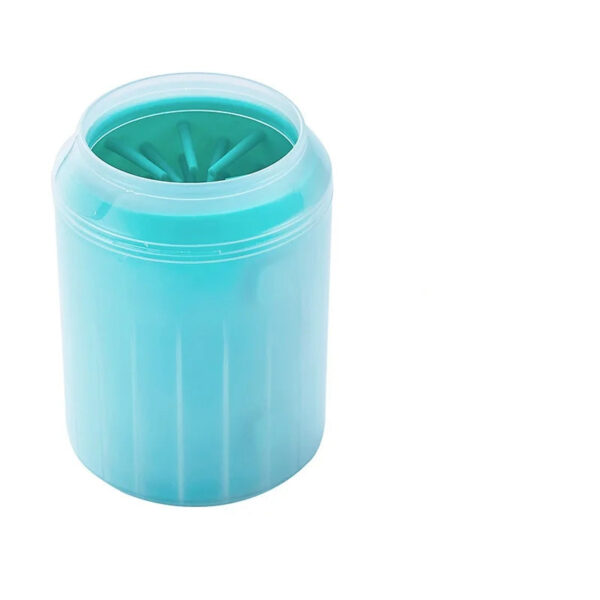
Wet, sandy or muddy dogs are much easier to deal with before they get in. Our Quick-Dry Microfibre Dog Towel is absorbent and dries fast between uses, and our Paw Cleaner Cup with a little lukewarm water loosens dirt from between pads and claws. Our muddy-walk checklist has the full routine from field to sofa.
Our Car Ready Kit for Dogs puts the hammock, a quick-dry towel and a 350 ml travel bowl together. Like the hammock on its own, it protects the car, and you still need a harness or crate to secure your dog. Orders are dispatched in 1 to 3 working days, then most arrive in 7 to 15 working days.
What else should you pack?
Take a bottle of fresh water on every trip, not just the long ones. Our Collapsible Travel Bowl with Clip folds flat, holds about 350 ml when open and clips to a lead, bag or belt loop.
- Poo bags and a spare lead
- Your dog’s usual food and any medication, for longer trips
- A familiar blanket that smells of home
- Kitchen roll and a bag for anything dirty
- Up-to-date contact details on your dog’s ID tag and microchip record
How do you plan a long drive with a dog?
Let your dog stretch and go to the toilet before you set off, check the restraint, and plan a stop every so often for water and a short walk.
- Check the restraint. Make sure it’s fitted and adjusted correctly before every trip.
- Keep the car comfortable. Aim for a steady temperature and good ventilation.
- Build up slowly. If your dog is new to car travel, start with short, easy trips. Dogs Trust has more on travelling with your dog.
- Clip the lead on first. Do it before you open the door or the boot at a stop, so your dog can’t jump out near traffic. Service stations and lay-bys can be busy.
- Ask your vet about car sickness. If your dog tends to feel unwell in the car, get advice before a long journey.
Can you leave a dog in a parked car?
No. Cars heat up very quickly, even on days that don’t feel warm, and opening a window or parking in the shade doesn’t make it safe. The RSPCA’s advice on heatstroke in dogs explains the signs. If you can’t take your dog with you when you leave the car, leave them at home.
Frequently asked questions
Is it illegal to have a dog loose in the car in the UK?
Rule 57 of the Highway Code says dogs should be suitably restrained in vehicles. It’s advice, not a specific offence. But the Highway Code says its advisory rules can be used as evidence in court to help establish liability. The rule names a seat belt harness, pet carrier, dog cage or dog guard as suitable restraints.
Is a car seat cover or hammock enough to restrain a dog?
No. Seat covers, boot liners and hammocks protect the car from mud, hair and claws, but they don’t hold your dog in place if you brake hard. Use one alongside a seat belt harness, pet carrier, dog cage or dog guard, as rule 57 of the Highway Code advises.
Where should my dog sit in the car?
Most owners use the back seat with a seat belt harness, or the boot with a secured crate or a dog guard. Small dogs often travel in a pet carrier, secured so it can’t slide or tip. Keeping dogs out of the front seat avoids the risk of injury from an airbag.
What should I do if my dog gets car sick?
Short, positive practice trips and good ventilation help some dogs get used to the car. Give your dog a chance to go to the toilet before you set off, and keep the car at a comfortable temperature. If your dog is regularly unwell when travelling, ask your vet, who can advise on what’s right for your dog.
How often should you stop on a long drive with a dog?
Plan regular breaks so your dog can stretch, drink and go to the toilet. How often depends on your dog’s age, health and how well they travel, so puppies and older dogs may need more stops. Clip the lead on before you open the door, and check the area is safe from traffic.
Should my dog travel in the boot or on the back seat?
Either can work with the right restraint. In the boot, use a secured crate or a dog guard between the boot and the seats. On the back seat, use a harness that attaches to the seat belt system. Choose by your dog’s size and your car, and follow the maker’s fitting instructions.